
How to choose your electric bike
Seven things to compare before buying an e-bike in the UK, from your usual route to charging and storage.
In this guide
1. Choose an adult electric bike for your everyday route
Think about the ride you will make most often:
The best electric bikes for adults make a familiar journey easier to repeat. A good electric bike combines a comfortable fit, useful assistance and a storage routine you can manage. Use this guide to choose the best e-bike for your daily ride, then compare the exact models and prices.
- Commuting: distance, traffic, hills, parking and any bags or shopping.
- Recreation: roads, packed paths, gravel, grass or uneven ground.
- Longer rides: comfort, battery capacity and somewhere to recharge.
- Carrying more: compare the bike’s load limits, accessory mounting points and the luggage you plan to carry.
Choose around that regular routine, rather than an occasional extreme ride.
2. Fit and riding position
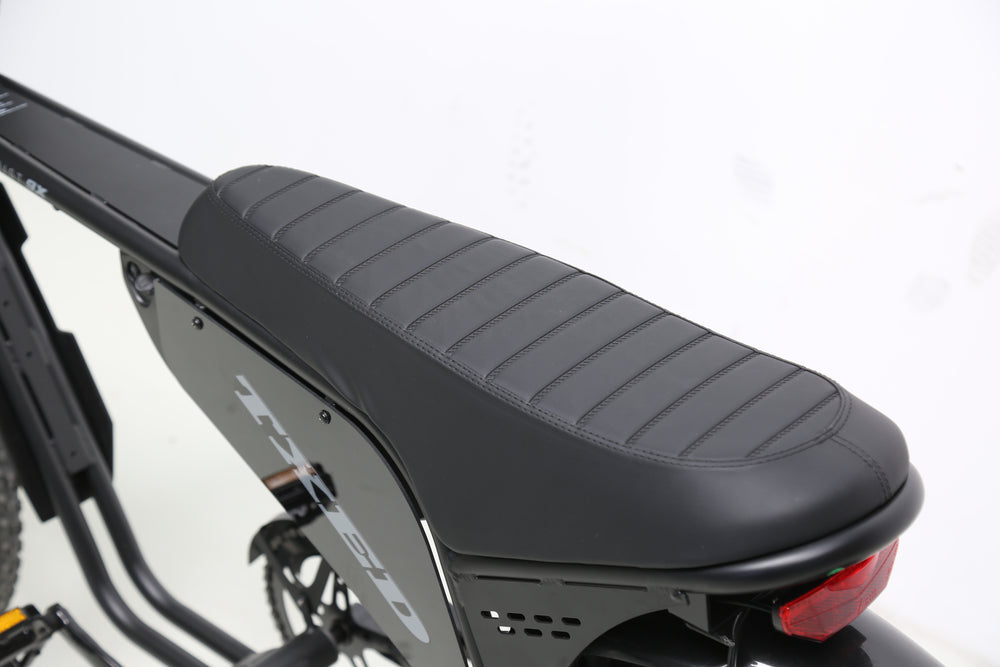
An upright fat-tyre bike can suit a relaxed, seated riding position. A mountain-bike layout offers a more active, familiar bicycle feel. Neither style suits everyone.
Check reach, stand-over clearance and saddle and handlebar adjustment. You need to mount, dismount, stop and steer comfortably; a label such as “step-through” or “compact” does not guarantee fit. Compare the actual measurements on each product page.
Maverick and Trail both use steel frames. Their different layouts and riding positions are the more useful starting point for choosing between them.
3. Range and charging

Plan around your return journey, with room for detours and less favourable conditions. Rider weight, hills, terrain, tyre pressure, temperature, cargo, assistance level, stops and starts, and wind all affect range. Battery ageing also matters.
Trail has one removable 36V 13Ah battery and up to 31 miles of assisted range. Maverick has one removable 48V 15Ah battery and up to 50 miles. These figures are per bike and depend on riding conditions.
If your usual ride approaches a stated maximum, compare battery capacity or plan a charging stop.
4. Power, control and UK rules
Motor design, gearing and controls affect how you manage hills and loads. Learn the pedal-assist settings, brakes and gears before riding.
UK EAPC requirements include pedals that can propel the bike, a motor rated at no more than 250W continuously, and motor assistance cutting off at 15.5 mph. Riders must be at least 14. A bike that meets the EAPC rules does not require a licence, registration, tax or insurance.
Check the full requirements, including markings and any approval requirements, in the GOV.UK rules and our UK e-bike legal guide. Use permitted cycling routes and follow local access rules; pavements are not permitted.
5. Weight, storage and transport
Consider every doorway, stair, lift and storage space between the road and your home. Check restrictions at your flat or workplace and whether you can manage the bike’s stated weight.
For a car rack, check the per-bike and total weight limits, wheel-size compatibility and towbar or mounting requirements. A rack for a conventional bicycle may not accommodate an e-bike.
Check space and lifting separately
Maverick is listed at 69.29 inches in total length and approximately 40.4 kg. Trail is 72.83 inches long and weighs 24 kg. The shorter bike is therefore the heavier of these two models. Use the full geometry and sizing information on the Maverick and Trail pages before deciding.
Plan the whole storage route
Use our home storage guide and entrance-to-parking worksheet to record doors, turns, steps and the bicycle measurements you need. It brings the route questions together before you choose a model.
Explore the decision that matters most
Compare folding formats, fit and geometry or options under £1,000, then return to your shortlist.
6. Tyres, suspension and brakes
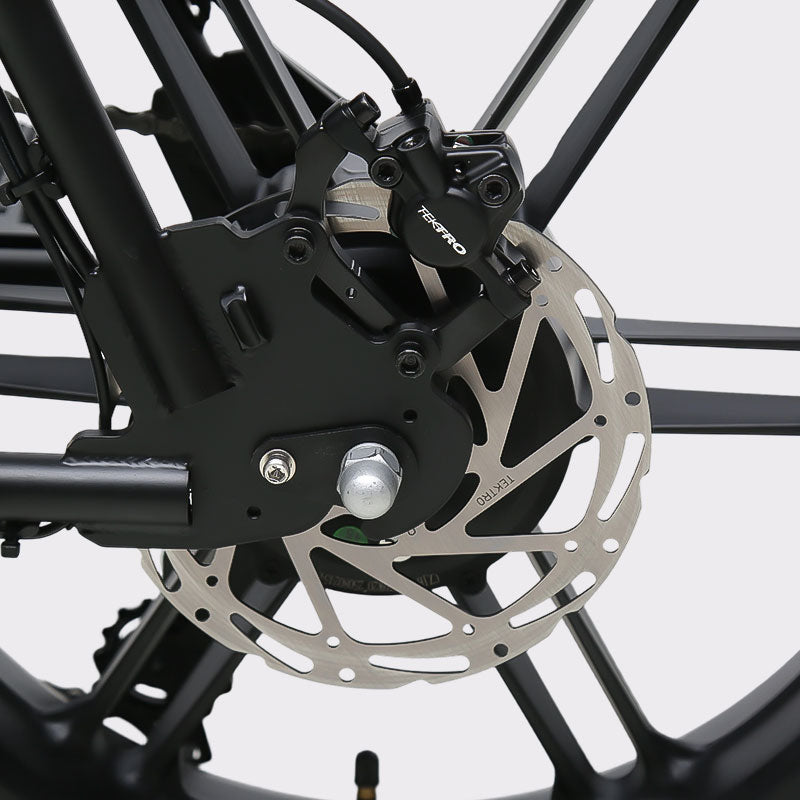
Wider tyres can help on loose or uneven ground; a conventional mountain-bike setup may feel more familiar. Compare comfort, grip and handling on your usual surfaces.
Consider suspension and brakes alongside your route, speed and expected load. Our riding guide for new e-bike owners explains practical habits for getting started.
7. The retailer and ongoing support
Look for clear specifications, configuration differences, included items and compatible accessories. Read the warranty, delivery and return conditions before ordering, especially if you plan to add accessories later.
Check how to contact support and arrange maintenance. Charging, storage and ongoing care should fit your routine from the start.
Compare bikes: build your shortlist
Write down your usual route, longest ride, terrain, cargo needs, storage and budget. Compare the current TXED range against that list, or read our Maverick and Trail comparison for the differences between the two models.
Set a budget for the complete purchase
The current single-bike prices are £699 for Trail and £799 for Maverick, including VAT. For a £500 budget, use the under-£500 buying guide to compare a compact new-bike example with used-bike options. Compare what is included with each bike and allow for the additional equipment you actually need. Check delivery eligibility and ongoing care costs as part of the decision.
For two riders, compare the two-bike bundle total with the cost of two single bikes. Each 2-Pack contains two complete bikes, with the corresponding single-bike equipment supplied twice. View the current bikes and two-bike bundles for prices and included items.
Which electric bike fits the way you ride?
A battery powered bike supports a different routine from an unassisted bicycle: include charging alongside parking and maintenance. With a bike with an electric motor, the assistance controls, battery capacity and complete weight are part of the choice. For an all-terrain bike, describe the actual mix of road, firm paths and rough ground so you can compare tyre and suspension designs suited to it.
Types of e-bikes: choose the format for your everyday task
| Your main requirement | Useful starting point | Compare next |
|---|---|---|
| Ride the full journey and wheel the bike into storage | A conventional non-folding layout, such as Trail. | Trail: £699, 27.5-inch wheels and 24kg published weight. |
| Wide tyres and a long-saddle riding position | A fat-tyre model, such as Maverick. | Maverick: £799, 20 × 4-inch tyres and approximately 40.4kg. |
| A car boot or storage space needs a fold | A purpose-designed folding frame. | Folding dimensions and the load you will carry. |
| Roads, firm paths and everyday luggage | An equipped hybrid or a suitable mountain-style commuter. | Hybrid, city and mountain layouts. |
| A relaxed, upright bicycle position | A cruiser or upright city layout, tried for your reach and pedalling position. | Cruiser geometry, gears and parking. |
For a cross-brand shortlist, compare current UK model specifications and support routes. Use the £1,000, £1,500 or £2,000 budget guide to connect the layout with an actual purchase price.
Best electric bikes UK: choose for your own journey
Start with two or three models that meet your route, fit and budget. Read the full equipment list, then compare the delivered price and the support you can use. Top rated electric bikes deserve the same checks: look for reviews of the exact generation and UK configuration, with the riding conditions explained. This turns a broad search for the best e-bikes into a decision about the bike you will use.
Style, comfort and the bike you want to ride
Cool electric bikes can look very different: a classic bicycle frame, a long-saddle fat-tyre design or a compact folder. Use the style you like to start the shortlist, then compare fit, handling and storage. A good electric bicycle is one you enjoy riding and can use comfortably in your normal routine.
Buying an e-bike: common questions
What is the best electric bike for adults starting out?
Choose for your route, fit, storage and comfort. Start with a riding position you can manage, realistic range needs and controls you understand before considering extra features.
How much e-bike range do most adults need?
Use your typical return journey, then allow a buffer for detours and changing conditions. Short errands, daily commuting and longer leisure rides need different charging plans.
Should I choose a fat tyre e-bike or an electric mountain bike?
Compare your usual surfaces and preferred riding position. An upright fat-tyre layout can suit a relaxed, substantial ride; a mountain-bike layout can suit a more active position and familiar bicycle handling.
Explore TXED electric bikes and check the current product specifications before choosing.