
How to Ride Your Fat Tire Electric Bike on the Beach: 9 Essential Tips for UK Riders
TXED Team @ July 24, 2026
It's a common misconception that fat tire bikes — whether regular or electric — are just for snow. The truth? They work on pretty much any terrain you throw at them. Besides, what is sand anyway if not snow's hotter cousin?
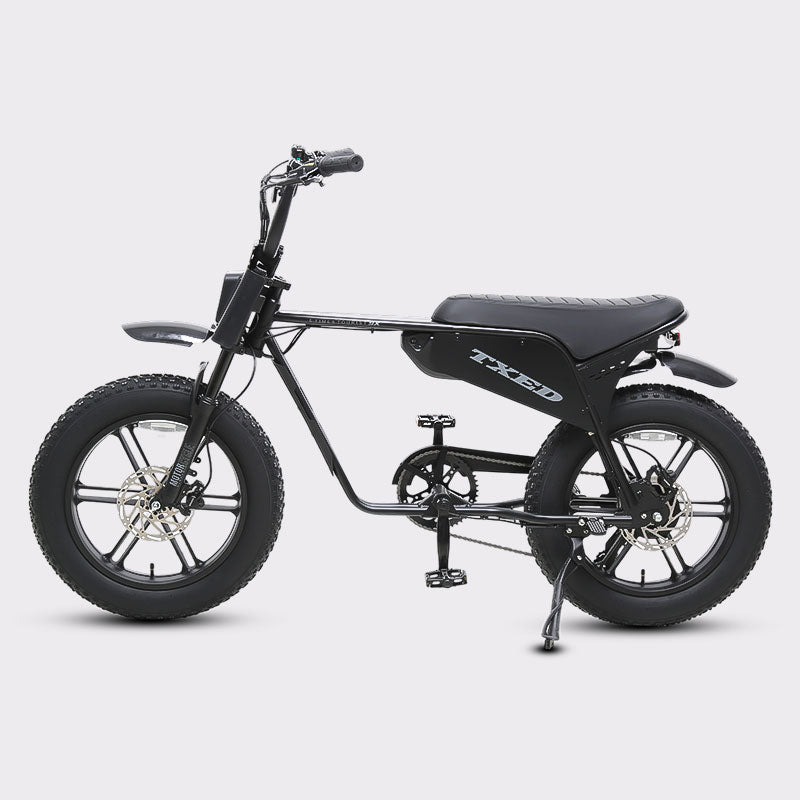
The TXED Maverick's 20″ × 4.0″ fat tyres make UK beach riding not just possible — but genuinely fun. From the wide sands of Camber to the dunes of Formby, here's how to make your seaside adventure smooth, safe, and fully UK-legal.
1. Check the Weather and Tides
Before heading out, check tide times for your beach. The UK has some of the fastest-moving tides in the world — particularly around the Bristol Channel and the Wash. You don't want to find yourself cut off with no way back to solid ground.
Pro tip: Aim to ride during the two hours either side of low tide when hard-packed wet sand gives you the widest, firmest surface. The Met Office and local tide tables are your best friends here. Always plan an exit route above the high-tide line.
2. Pack a Pump
You'll transition between tarmac, hard-packed sand, and loose sand on any beach day. A portable bike pump with a pressure gauge is essential — you'll be adjusting PSI multiple times.
The Maverick's 20″ × 4.0″ fat tyres can run anywhere from 5 PSI to 30 PSI. A compact frame pump fits in a backpack or can be strapped to the rear rack.
3. Lower Your Tyre Pressure on the Sand
This takes some experimentation, but here's where to start:
- Loose, dry sand (dunes, soft beaches) — aim for 5 to 10 PSI. The softer the sand, the lower you'll want to go.
- Wet, packed sand (shoreline at low tide) — try 10 to 20 PSI. The firmer surface needs less float.
- Tarmac, promenade, or hardpack — pump back up to 20 to 30 PSI for efficiency and control.
Start high, test the surface, then release air if needed. Don't go too low — the softer the tyres, the more wobbly the ride. When you feel the bike floating over the sand with stable handling, you've found the sweet spot.
4. Keep Your Eyes on the Road
British beaches hide surprises: groynes, rock pools, patches of shingle, and the odd abandoned sandcastle trench. The scenery along the Jurassic Coast or Northumberland shoreline is stunning — but a moment's distraction on loose sand can end your ride.
The Maverick's smart LCD display keeps speed, battery level, and pedal-assist mode clearly visible, so you can enjoy the view without looking down for long.
5. Pay Attention to Switching Sand Types
When transitioning from wet, firm sand to dry, loose sand — reduce speed and prepare. Hitting deep dry sand at speed causes sudden deceleration and loss of front wheel traction.
If your front wheel starts to wander: steer gently into the direction you want to go while easing off the rear power. The Maverick's 80 Nm of torque gives you enough grunt to push through soft patches without stopping — just be smooth with the throttle.
6. Don't Forget Your Protective Gear
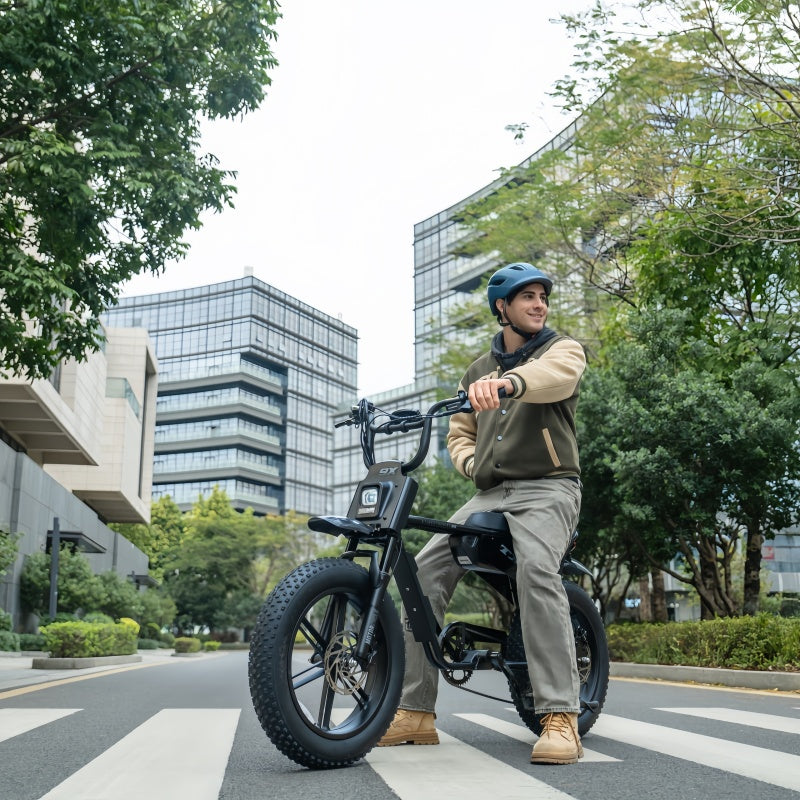
While riding on sand is generally forgiving, UK beaches often come with rockier headlands, groynes, and pebble banks that are tempting to explore. A helmet is the minimum; knee pads and gloves are wise if you plan to tackle varied shoreline terrain.
7. Bring the Pressure Back Up for Solid Ground
Time to ride home? Pump those tyres back up before hitting tarmac. Low PSI on paved roads reduces range, compromises handling, and accelerates tyre wear. A quick stop at a seafront bench to reinflate takes two minutes and saves your battery for the journey back.
8. Wash Your E-Bike Afterwards
Salt air and sand are corrosive — even if you never touched the water. The UK's prevailing onshore winds carry salt spray well beyond the shoreline.
Wash routine:
- Rinse with fresh water (low pressure — never a jet wash)
- Wipe down the frame, fork, and rims with a microfibre cloth
- Clear sand from the drivetrain and brake callipers
- Dry thoroughly, especially around electrical connectors
The Maverick's sealed electrical system handles splashes, but salt accelerates corrosion on any bike. Five minutes of rinsing after every beach trip extends your e-bike's life significantly.
9. Oil Your Chain
After washing and drying, inspect your chain and gears. Sand grit combined with salt air equals rapid drivetrain wear. Apply a wet-lube formula — ideal for the UK's variable coastal conditions — wipe off the excess, and you're ready for the next ride.
Your Seaside Ride Checklist
Here's what to bring before you head out:
- Portable pump with gauge — you'll need PSI adjustments for sand versus tarmac.
- Helmet and gloves — rocky shorelines and pebble banks require protection.
- Fresh water (2-litre bottle) — for a post-ride rinse before heading home.
- Chain lube (wet formula) — drivetrain protection after washing in coastal conditions.
- Tide times (Met Office or app) — plan your ride around low tide windows for the best surface.
Why the TXED Maverick Excels on UK Beaches
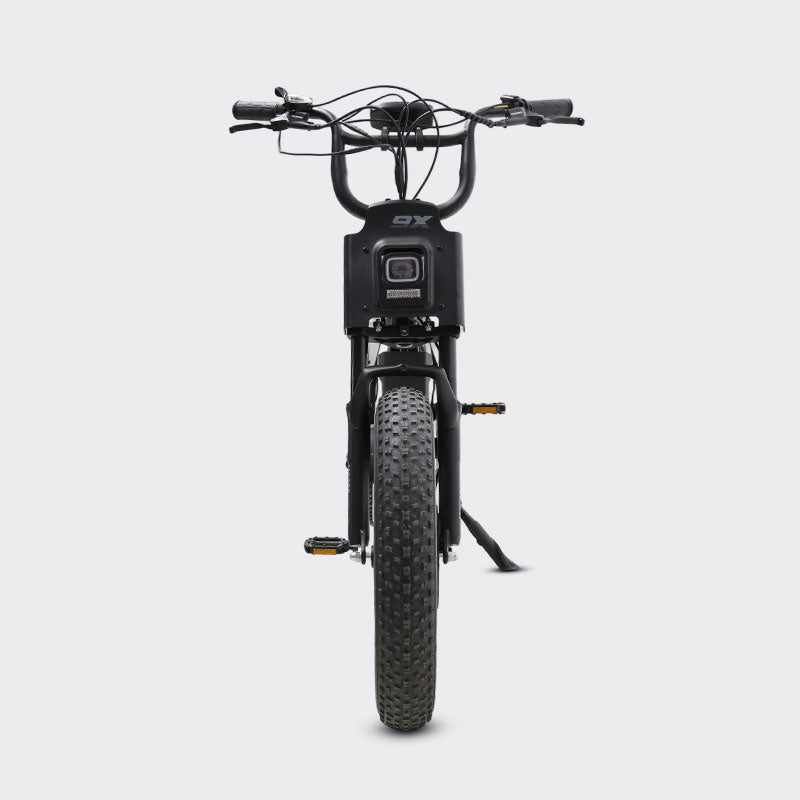
The 20″ × 4.0″ fat tyres give the Maverick a massive contact patch that floats over soft sand instead of sinking — this is the single most important feature for beach riding. The 250W motor with 80 Nm of torque powers through deep sand while remaining fully UK EAPC-legal, so you can ride on roads, cycle paths, and bridleways without a licence, tax, or insurance. The front suspension fork absorbs bumps from hidden rocks, shingle, and groynes, while the 180mm hydraulic disc brakes provide reliable stopping in sandy, damp conditions. With up to 60 miles of range on a single charge, you can ride to the coast, explore the beach, and get home without worrying about the next plug socket. The 150 kg payload capacity means you can haul your picnic, beach kit, and towel without compromise. And because it's UKCA certified, you know it meets British safety and conformity standards.
Best UK Beaches for Fat Tyre E-Biking
Looking for a starting point? These beaches offer wide, firm sand at low tide and easy access:
- Camber Sands, East Sussex — miles of flat, hard-packed sand at low tide; ideal for beginners.
- Formby Beach, Merseyside — wide shoreline with dune trails nearby.
- Bamburgh Beach, Northumberland — vast, firm sands with castle views.
- Pendine Sands, Carmarthenshire — seven miles of flat beach, famously used for land speed records.
- Holme-next-the-Sea, Norfolk — expansive low-tide sands on the North Norfolk coast.
Always check local byelaws — some beaches restrict cycling during peak summer months.
That's the list. It might look like a lot, but honestly — just go for it. It's like riding a bike. Once you've got it, you've got it.
Happy rides, and check out our guide to riding safely at night for your next evening adventure.
Shop the Maverick — £899 (Save £500) | Shop the Trail — £699 (Save £400)
Free UK delivery from our Birmingham warehouse via DPD / DHL Parcel UK / Parcelforce. 30-day returns. 1-year warranty.
Posted in: riding-guide, beach-riding, Maverick, fat-tyre, UK-legal, tips
